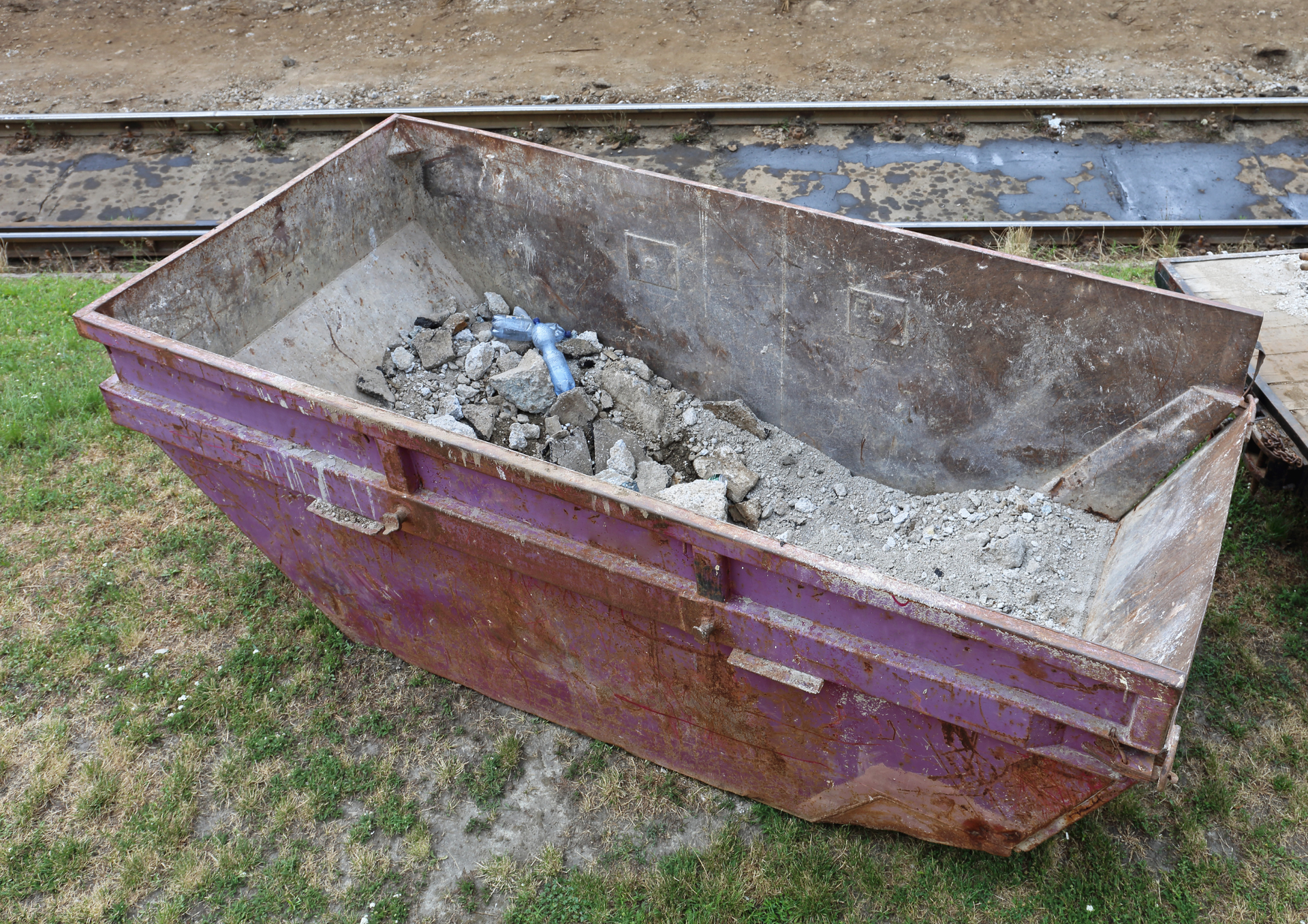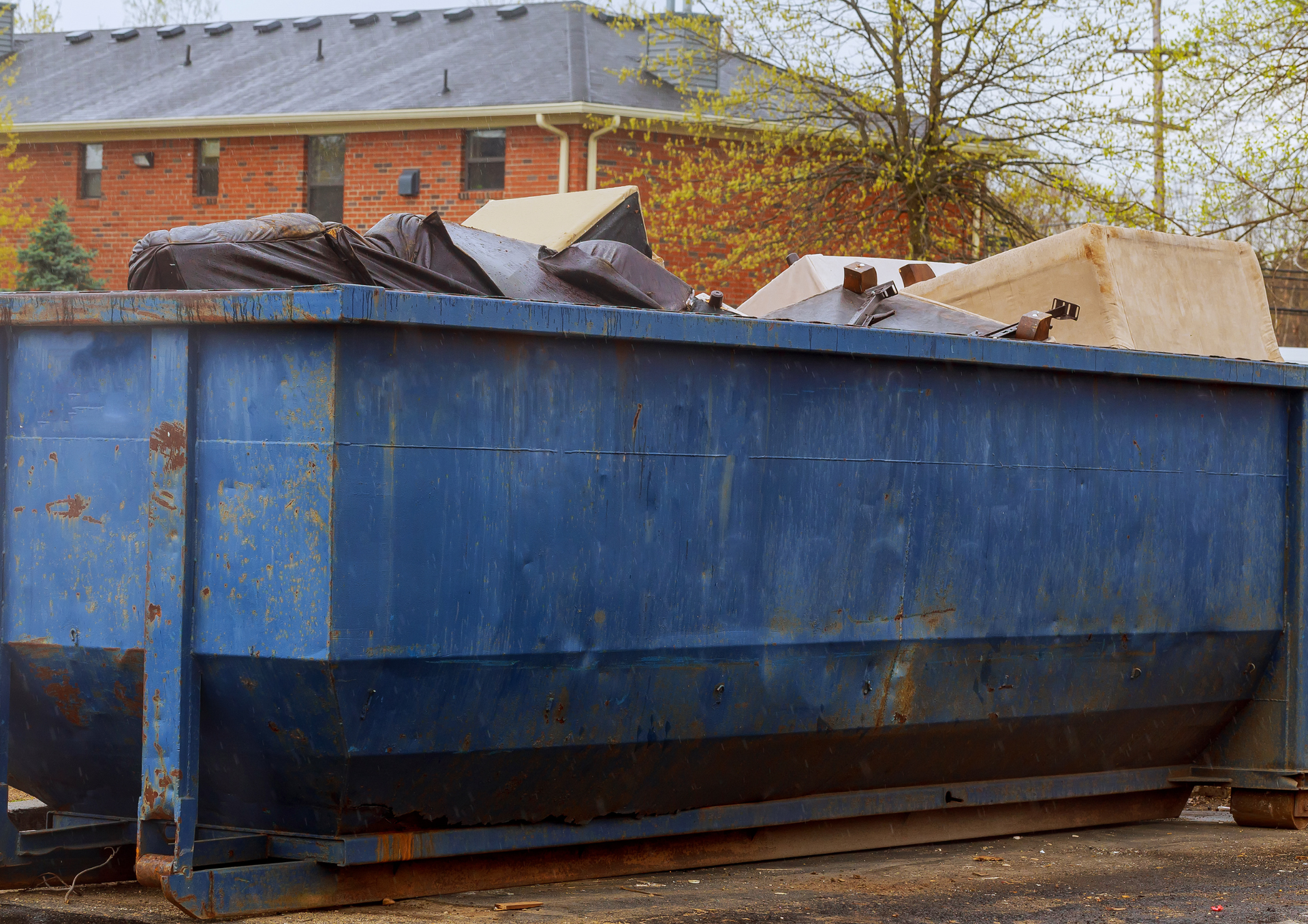

How to Choose Cheap Skips for Different Household Waste Types
Managing household waste can become challenging when unwanted materials begin to accumulate during home improvements, garden clearances or property renovations. Different projects produce different types and quantities of rubbish, making it important to choose a suitable waste removal solution before work begins. Selecting the right container can help homeowners maintain organised working areas while avoiding unnecessary expenditure.
Finding cheap skips involves more than simply choosing the lowest advertised quotation. Customers should consider the amount of waste they expect to produce, the type of materials being removed, the available space for delivery and the length of time the container will be needed. Understanding these requirements makes it easier to identify a practical and affordable option without compromising the overall quality of service.
For homeowners, landlords, surveyors and local authorities responsible for residential and commercial properties, efficient waste management supports smoother project planning. Whether clearing a single room, preparing a rental property for new occupants or managing a larger refurbishment, arranging suitable waste disposal helps reduce disruption and maintain accessible working environments.
Understanding Different Types of Household Waste
Household projects generate a wide variety of unwanted materials, and not every type of waste can be handled in the same way. Understanding what needs to be removed is an important first step when selecting a suitable container.
Customers considering cheap skip hire should identify the materials they intend to dispose of before requesting a quotation. Providing accurate information helps the provider recommend an appropriate size and explain any restrictions that may apply to particular waste categories.
General Household Waste
- Household clearances often produce unwanted furniture, damaged household items, old toys, packaging and other materials that are no longer needed.
- Clearing several rooms at once may generate considerably more waste than expected, particularly when bulky items occupy a large amount of space.
- Sorting unwanted belongings before booking helps customers estimate the required capacity more accurately.
- Items suitable for donation or reuse can be separated before disposal, reducing the overall amount of rubbish requiring collection.
Garden and Outdoor Waste
- Garden maintenance can produce branches, hedge cuttings, leaves, grass and other organic materials that require suitable disposal.
- Landscaping projects may also generate soil, broken paving, old fencing and damaged garden furniture.
- Heavy materials such as soil and rubble should be discussed with the provider because weight restrictions may influence the appropriate container size.
- Separating reusable garden materials from general rubbish can help reduce unnecessary waste and support more responsible disposal practices.
Renovation and Building Materials
- Kitchen and bathroom refurbishments frequently produce old cabinets, tiles, plasterboard, timber and damaged fixtures.
- Larger home improvements may involve removing flooring, internal fittings and other building materials that occupy substantial space.
- Some materials require separate handling, so customers should confirm which items can be placed together before loading.
- Estimating the amount of renovation debris in advance helps prevent the container from becoming full before the project is completed.
Bulky Household Items
- Wardrobes, sofas, tables, mattresses and other large items can occupy significant space even when the overall quantity of waste appears relatively small.
- Dismantling suitable furniture before disposal may help make better use of the available capacity.
- Certain bulky items may attract additional disposal charges or require separate collection arrangements.
- Customers should confirm acceptance of these materials before booking to avoid unexpected complications.
Materials Requiring Special Handling
- Electrical appliances, batteries, paint, chemicals and other restricted materials should not automatically be placed alongside general household rubbish.
- Different disposal requirements may apply depending on the type of material and the facilities available to the provider.
- Customers should identify potentially restricted items before delivery and request guidance on suitable disposal arrangements.
- Separating these materials early helps avoid collection difficulties and supports responsible waste management throughout the project.
Understanding these categories allows customers to plan waste removal more effectively. It also reduces the likelihood of choosing an unsuitable container or discovering restrictions after work has already started.
Choosing an Affordable Waste Removal Service Without Sacrificing Quality
Affordability is an important consideration for anyone managing household improvements, particularly when several project expenses need to be considered at the same time. However, the lowest advertised quotation does not necessarily represent the most suitable arrangement for every customer.
A practical approach involves comparing the complete service rather than focusing solely on the initial price. Container capacity, delivery arrangements, collection procedures, hire duration and acceptable waste materials should all be considered before making a decision.
Customers looking for budget skip hire should request a clear quotation that explains what is included in the service. Understanding the agreed arrangements helps prevent misunderstandings and makes it easier to compare different providers on a consistent basis.
One important consideration is the length of the hire period. A small household clearance may only require a container for a few days, while a larger renovation could continue for several weeks. Choosing a suitable duration helps customers avoid paying for equipment longer than necessary or arranging additional collections because the original booking period was too short.
Delivery and collection arrangements also influence the overall experience. A provider should explain when the container can be delivered, where it can be positioned and how customers can arrange collection once their project is complete. Clear communication is particularly valuable when building work or property maintenance must follow a planned schedule.
Customers should also consider whether the provider can accommodate the expected waste materials. Some projects involve a mixture of household rubbish, timber, soil and construction debris. Confirming acceptable materials before booking helps ensure that the chosen service meets the practical requirements of the work.
Another important factor is site accessibility. Properties with narrow driveways, limited parking or restricted vehicle access may require additional planning. Discussing these conditions in advance allows the provider to assess whether the intended delivery location is suitable.
For properties in Bridgend, access arrangements may differ between residential streets, rural locations and commercial premises. Customers should provide accurate information about the available space, nearby obstacles and any restrictions that could affect delivery or collection.
If a container needs to be positioned on a public road rather than private land, the relevant permission requirements should be confirmed before delivery. Any associated charges should also be discussed when comparing quotations.
Responsible waste handling is another consideration when evaluating service quality. Customers may wish to ask how collected materials are processed and whether suitable items are separated for recycling.
A clear quotation, practical guidance and dependable communication can provide greater overall value than an arrangement that appears inexpensive initially but does not fully meet the customer's requirements.
Taking time to compare these details helps homeowners and property managers make informed decisions while keeping waste removal straightforward and manageable.
Selecting the Right Container Size for Different Household Projects
Choosing the correct container size is one of the most effective ways to manage waste removal expenses. A container that is too small may require additional collections, while an unnecessarily large option can increase costs without providing any practical benefit.
When comparing cheap skips, customers should consider both the expected volume and the weight of the materials being removed. A large quantity of lightweight household rubbish may require a different solution from a smaller amount of heavy building debris.The following categories provide a practical starting point when assessing different household projects.
Small Household Clearances
- Compact containers are often suitable for clearing cupboards, removing unwanted household items and completing minor decorating projects.
- A 2-yard option may provide sufficient capacity for smaller quantities of general rubbish where space is limited.
- Customers should consider whether bulky furniture or additional waste will need to be removed during the same project.
- Estimating the total amount of rubbish before booking helps reduce the likelihood of requiring another container.
Kitchen and Bathroom Renovations
- Replacing kitchen units, bathroom fittings and flooring can generate a mixture of bulky and heavy materials.
- A 4-yard or 6-yard container may be appropriate for certain renovation projects, depending on the amount and type of waste.
- Heavy materials should be discussed with the provider to ensure that the selected container is suitable for the expected load.
- Planning the removal of old fixtures before installation work begins helps maintain accessible working areas.
Garden Improvements and Landscaping
- Garden clearances may involve hedge cuttings, branches, soil, broken fencing and unwanted outdoor furniture.
- The most suitable capacity depends on whether the project involves lightweight green waste or heavier landscaping materials.
- Customers should avoid estimating capacity solely by the visible size of a garden because the amount of waste produced can vary considerably.
- Discussing the expected materials with the provider helps identify a practical solution for the work.
Larger Property Refurbishments
- Whole-house renovations, substantial clearances and larger building projects may require greater waste disposal capacity.
- An 8-yard container may be suitable for certain projects, although the expected weight and material restrictions must be considered.
- Larger containers may be appropriate for bulky, lighter materials where the available space and access conditions permit.
- Customers should consider whether a single collection will be sufficient or whether several collections will be required as work progresses.
Delivery Space and Accessibility
- The available driveway, yard or designated loading area should be measured before arranging delivery.
- Customers should consider gates, parked vehicles, overhead obstacles and the space required for the delivery vehicle.
- A suitable location should allow waste to be loaded conveniently without obstructing entrances or essential access routes.
- Where private space is unavailable, customers should discuss alternative placement arrangements and any relevant permission requirements.
Planning for Unexpected Waste
- Renovation work can reveal additional materials that were not included in the original waste estimate.
- Customers should allow reasonable capacity for unexpected rubbish without automatically choosing the largest available option.
- Discussing possible changes with the provider helps determine whether an alternative size or additional collection would be more appropriate.
- Careful planning reduces the risk of overfilling and helps maintain an organised working environment.
Selecting the correct capacity allows customers to manage different waste categories more efficiently while keeping the overall project within its planned budget.
Planning Waste Removal for a Smooth Household Improvement Project
Effective waste management begins before the first item is removed from a property. Establishing a clear plan helps customers understand when a container will be required, how much waste is likely to accumulate and when collection should take place.
For homeowners carrying out DIY improvements, planning can begin by identifying which rooms or outdoor areas will be cleared. Separating reusable belongings from unwanted materials provides a clearer estimate of the waste requiring disposal.
Landlords preparing rental properties for new occupants may have different requirements. Furniture removal, minor repairs and general property maintenance often need to be completed within a particular timeframe. Arranging waste removal alongside these activities can help avoid unnecessary delays between tenancies.
Surveyors and local authorities responsible for property maintenance may also need to coordinate waste disposal with contractors and other service providers. Clear arrangements allow different stages of the work to proceed without accumulated rubbish obstructing access or creating unnecessary disruption.
Customers searching for cheapest skip hire near me should consider the complete requirements of their project rather than comparing advertised figures alone. A suitable provider should be able to explain the available capacity, delivery arrangements, hire duration and collection procedures before the booking is confirmed.
Scheduling delivery at the correct stage of a project is particularly important. Arranging a container too early may result in it occupying valuable space before work begins, while booking too late can leave waste accumulating around the property.
For larger improvements, customers may benefit from coordinating delivery with the removal of existing fixtures, flooring or garden materials. This allows rubbish to be transferred directly into the container rather than being stored temporarily elsewhere.
Loading arrangements should also be considered. Heavy materials should be distributed appropriately, and waste should remain within the permitted fill level. Customers should follow the provider's guidance regarding weight limits and restricted materials.
Keeping the surrounding area tidy throughout the project helps maintain access for residents, contractors and delivery vehicles. It also reduces the amount of cleaning required once the main work has been completed.
Communication remains important when project schedules change. If a renovation takes longer than expected or a clearance is completed earlier than planned, customers should contact the provider to discuss suitable collection arrangements.
Before the container is collected, checking that all intended waste has been loaded and that no restricted materials have been included can help prevent unnecessary complications.
An organised approach allows household improvements to progress more smoothly while making waste removal a manageable part of the overall project.
Choosing an affordable waste removal solution requires careful consideration of the materials being disposed of, the size of the project and the practical arrangements involved in delivery and collection. The lowest advertised price may be attractive, but customers should also consider whether the service provides suitable capacity, clear communication and dependable collection arrangements.
Understanding different household waste categories helps homeowners, landlords and property managers select appropriate equipment without paying for unnecessary capacity. It also makes it easier to identify materials that require separate handling and plan responsible disposal before work begins.
Whether completing a small household clearance, renovating a kitchen, improving a garden or managing a larger property refurbishment, selecting cheap skips should involve balancing affordability with the practical requirements of the project.
Taking time to estimate waste volumes, compare quotations and discuss access arrangements can help reduce unexpected complications. Customers who plan their waste removal alongside other project activities are also better positioned to maintain organised working areas and avoid unnecessary delays.
Ultimately, the most suitable solution is one that provides enough capacity for the intended work, accommodates the relevant waste materials and offers clear delivery and collection arrangements.
By approaching waste removal with careful planning and realistic expectations, customers can manage household improvements more efficiently while maintaining control over their overall project expenditure.
Skip Hire Bridgend provides practical waste removal solutions for homeowners, landlords, surveyors, local authorities and those responsible for residential and commercial properties throughout Bridgend and the surrounding areas.
We understand that different household projects produce different quantities and types of waste. Whether you are clearing a small room, preparing a property for new occupants or carrying out a larger renovation, our approach focuses on helping you identify a suitable solution for your requirements.
For customers considering cheap mini skip hire, we can help assess whether a smaller container offers sufficient capacity for the intended work. Choosing the appropriate size can help avoid unnecessary expenditure while ensuring that waste can be managed conveniently throughout the project.
We focus on clear communication, practical advice and straightforward delivery and collection arrangements. By discussing your expected waste materials, available space and project timescale before booking, we aim to make the process easier to understand and manage.
Our approach is centred on providing suitable waste management solutions without adding unnecessary complexity. We recognise that homeowners and property managers often need to coordinate several activities at once, making dependable arrangements particularly important.
Check out our latest X update on how to choose
cheap skips for different household waste types and make waste disposal more efficient!
Skip Hire Bridgend
01656 335 569
3 Queen Street
Bridgend, CF31 1HU
United Kingdom
You might also like