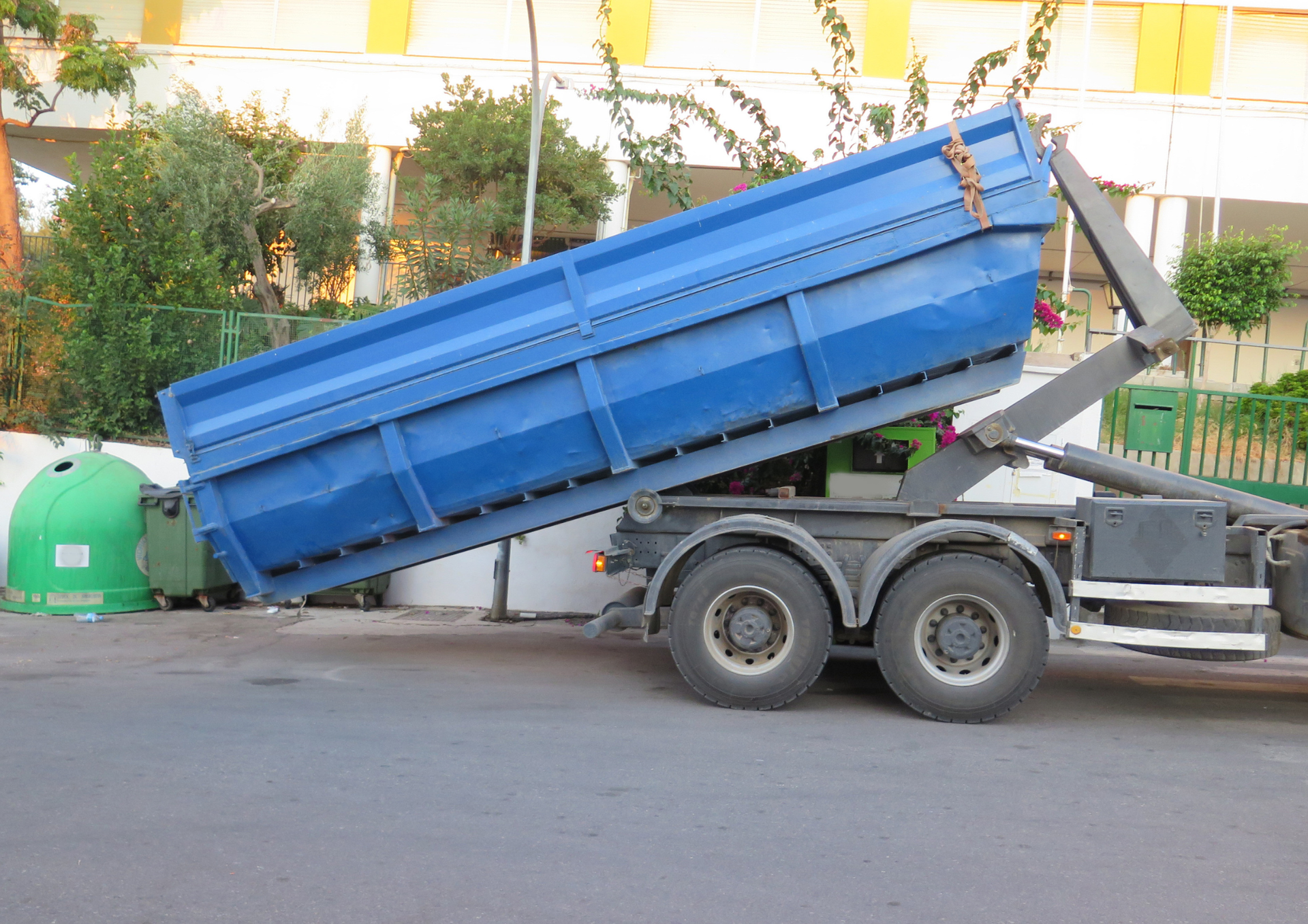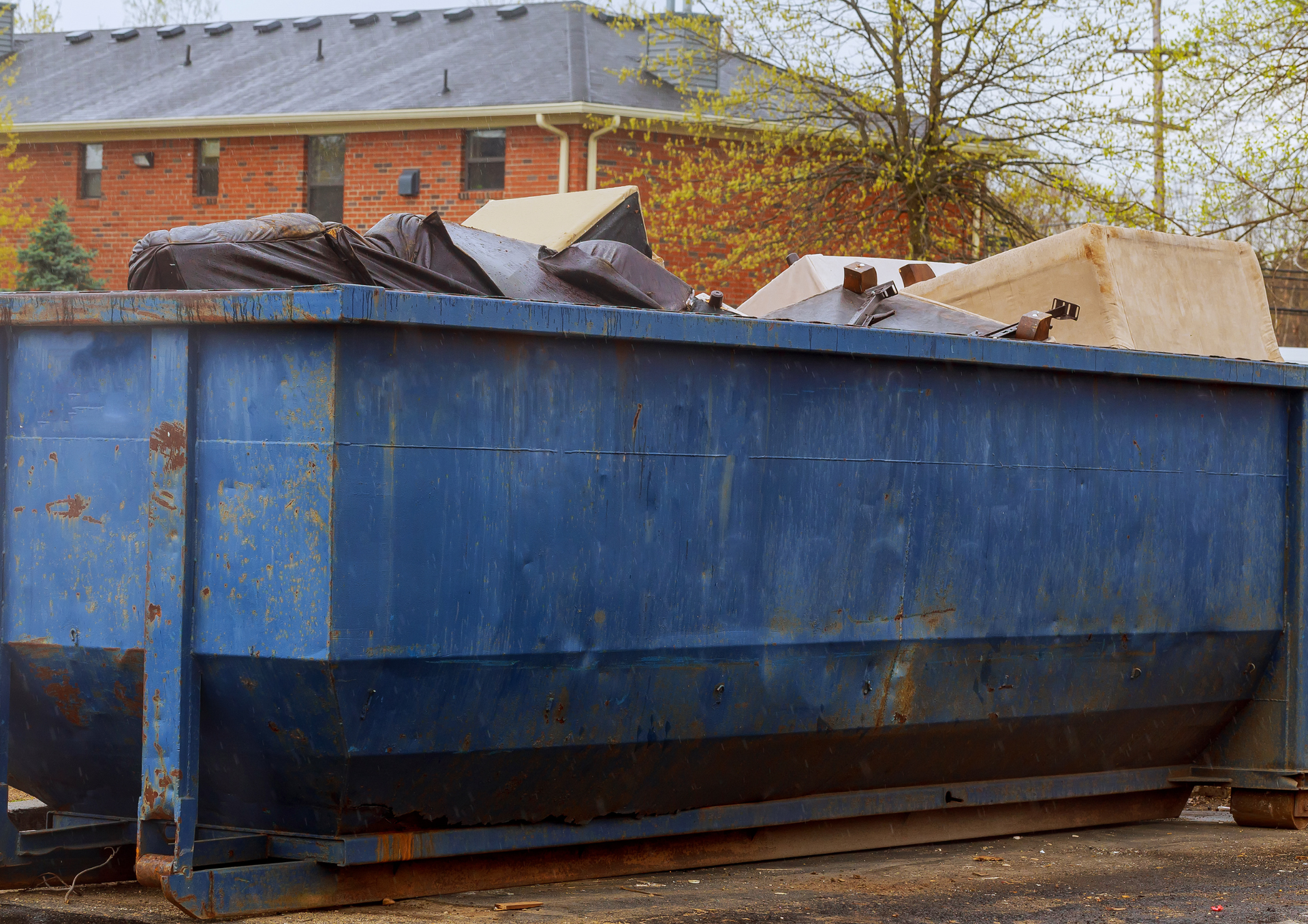

Why Hiring Skips Makes Household Waste Disposal More Convenient Today
Managing household waste can become challenging when unwanted items begin to accumulate during home improvements, property clearances or everyday maintenance. Old furniture, broken fixtures, garden debris and renovation materials can quickly occupy valuable space, making it difficult to keep a property clean and organised. Hiring skips provides a practical way to manage these materials in one designated location, reducing the need for repeated journeys to waste disposal facilities.
For homeowners, landlords, surveyors, local authorities and property managers, organised waste removal is an important part of maintaining residential and commercial premises. Whether preparing a property for new occupants, completing a refurbishment or clearing accumulated belongings, having suitable waste disposal arrangements can make the process considerably more manageable.
In Bridgend and surrounding communities, properties vary from compact residential homes to larger commercial buildings and development sites. Each setting presents different challenges involving accessibility, available space and the volume of waste generated. Understanding these requirements before arranging collection helps customers choose suitable solutions without unnecessary complications.
A well-planned approach also supports responsible waste handling. Rather than leaving unwanted materials scattered across gardens, driveways or working areas, customers can keep them contained until collection. This helps maintain accessible spaces, improves project organisation and makes everyday tasks easier to complete.
How Hiring a Waste Container Simplifies Household Clearances
Household clearances often involve removing several types of unwanted materials within a relatively short period. Without suitable arrangements, waste can accumulate in hallways, gardens and driveways, creating unnecessary inconvenience. Having a designated container provides a more organised approach, allowing customers to manage disposal as work progresses.
General Household Decluttering
- Clearing cupboards, lofts, spare rooms and garages can reveal years of accumulated belongings that are no longer needed.
- A designated waste container allows suitable unwanted materials to be collected in one place rather than distributed throughout the property.
- Separating reusable items from general rubbish before disposal helps reduce unnecessary waste.
- Planning the clearance room by room makes larger household projects easier to manage.
- Keeping access routes free from unwanted belongings helps maintain a practical working environment.
Moving House or Preparing a Property
- Moving home often involves sorting furniture, damaged household items and belongings that will not be taken to the new property.
- Landlords preparing accommodation between tenancies may need to remove abandoned or damaged items before cleaning and maintenance begin.
- Estate managers can benefit from organised waste arrangements when coordinating several contractors or property improvement tasks.
- Removing unwanted materials early creates more room for decorating, repairs and general preparation.
- Clear collection arrangements help customers manage deadlines without relying on repeated disposal journeys.
Garden and Outdoor Clearances
- Garden maintenance can generate significant quantities of branches, hedge cuttings, leaves and other suitable green waste.
- Landscaping projects may involve removing old fencing, timber and materials left from previous improvements.
- Keeping waste contained prevents piles of debris from obstructing pathways, patios and working areas.
- Customers should confirm which outdoor materials are accepted, particularly when disposing of soil, rubble or treated timber.
- Planning collection around the landscaping schedule helps maintain usable outdoor space.
Convenient Booking and Preparation
- Customers who need to order a skip should first estimate the expected waste volume and identify a suitable delivery location.
- Checking access before booking helps ensure the delivery vehicle can approach the property safely.
- Confirming the hire period allows customers to organise clearance work around their available time.
- Understanding waste restrictions beforehand reduces the likelihood of collection difficulties.
- Clear booking information makes the entire process easier for homeowners and property managers.
By considering the type of waste, the available space and the expected project duration, customers can approach household clearances with greater confidence. Good preparation also helps prevent unnecessary interruptions once work begins.
Why Professional Waste Removal Offers Greater Convenience
Professional waste removal services provide benefits that extend beyond having somewhere to place unwanted materials. They help customers organise projects, manage available space and reduce the practical difficulties associated with transporting rubbish independently.
One of the main advantages is the reduction in repeated journeys to disposal facilities. Household renovations and clearances often produce bulky or awkwardly shaped materials that cannot be transported conveniently in an ordinary car. Making several journeys can take considerable time, particularly when waste needs to be sorted, loaded and unloaded at different locations.
A suitable container allows accepted materials to be placed in one location throughout the agreed hire period. This makes it easier to continue working without stopping repeatedly to arrange transport. For homeowners completing improvements during evenings or weekends, the convenience of having a dedicated disposal point can be particularly valuable.
Customers planning to rent a skip should consider how long their project is likely to take, the amount of waste expected and whether the container can remain in a suitable position throughout the work. Understanding these requirements helps ensure the chosen arrangement supports the project rather than creating additional complications.
Professional collection arrangements also help customers manage the final stages of a clearance. Once the container has been filled within the permitted loading limits, collection can be arranged according to the provider's procedures and availability. This avoids the need for customers to organise transportation for the accumulated materials themselves.
Another advantage is improved organisation. Waste left in several areas of a property can make routine tasks more difficult, especially when contractors are carrying out repairs or refurbishment work. Keeping unwanted materials in one designated location helps maintain clearer working areas and makes it easier to monitor the progress of the project.
This can be particularly useful for landlords and property managers coordinating work between tenancies. A property may require furniture removal, minor repairs, decorating and cleaning within a limited timeframe. Arranging waste removal as part of the overall schedule helps different stages of the work proceed more efficiently.
For commercial premises, organised disposal can support office refurbishments, retail improvements and general property maintenance. Although commercial projects may generate different materials from domestic clearances, the underlying principle remains the same: suitable capacity and dependable collection arrangements contribute to better organisation.
Responsible waste handling is another important consideration. Customers should check that their chosen provider uses appropriate waste management procedures and can explain how accepted materials are processed. Recycling and recovery opportunities depend on the type and condition of the waste, as well as the facilities available.
Clear communication contributes significantly to the overall experience. A dependable provider should explain delivery arrangements, collection procedures, accepted materials and any additional requirements before the booking is confirmed. This allows customers to understand what is included and prepare the site appropriately.
Convenience also comes from avoiding unnecessary uncertainty. When customers know where the container will be positioned, how long it can remain on site and what happens when the work is complete, they can focus on the project itself.
Ultimately, the most useful service is one that fits the customer's practical requirements. Choosing an appropriate container, preparing the site and discussing expectations in advance can make household and commercial waste removal considerably more straightforward.
Choosing Suitable Containers for Different Property Projects
Different projects generate different quantities and types of waste. Selecting suitable capacity helps customers avoid unnecessary expense while ensuring there is enough space for accepted materials. Understanding the available options is particularly useful when planning renovations, clearances or larger property improvements.
Small Household Projects
- Compact containers are often suitable for minor decorating work, small room clearances and limited household decluttering.
- A 2-yard option may be appropriate for modest quantities of waste, depending on the materials involved.
- Smaller containers can be useful where outdoor space is limited, provided there is adequate access for delivery.
- Estimating waste before booking helps prevent the need for additional collections.
- Customers should check loading restrictions, particularly when disposing of heavier materials.
Medium-Sized Home Improvements
- Kitchen replacements, bathroom renovations and larger garden clearances often require greater capacity.
- A 4-yard or 6-yard container may suit many moderate household projects, depending on the volume and weight of the waste.
- Mixed renovation materials should be discussed with the provider to confirm what can be accepted.
- Keeping heavier materials distributed appropriately helps maintain safe loading conditions.
- Choosing sufficient capacity allows work to continue without excessive waste accumulating around the property.
Larger Renovations and Commercial Work
- Property refurbishments, office clearances and substantial building projects may require larger containers.
- An 8-yard option can be useful for certain building waste projects, subject to weight restrictions and material acceptance.
- Larger containers may be more appropriate for bulky, lighter materials, depending on the provider's equipment.
- Commercial customers should estimate the quantity of waste expected during each stage of the project.
- Coordinating deliveries and collections with contractors can reduce disruption to ongoing work.
Understanding Container Types and Capacity
- Different local skips may be available in several capacities to accommodate domestic and commercial requirements.
- Container dimensions can vary between providers, even when the nominal capacity is similar.
- Customers should confirm the approximate dimensions before arranging delivery to a restricted site.
- The largest available option is not always the most practical choice, particularly for heavy waste.
- Seeking professional guidance helps customers balance capacity, accessibility and project requirements.
Placement and Access Considerations
- Driveways, private parking areas and suitable commercial premises may provide convenient placement locations.
- Delivery vehicles need sufficient room to approach, position and collect the container.
- Overhead cables, low branches, narrow entrances and parked vehicles can create access difficulties.
- Placement on a public road generally requires appropriate permission from the relevant highway authority.
- Confirming these details before delivery helps prevent avoidable delays and additional arrangements.
Choosing the right skips for different projects involves more than estimating how much rubbish will be produced. Customers should also consider weight restrictions, available space, hire duration and the type of materials being removed. A balanced approach helps ensure the selected container remains practical throughout the project.
Planning Waste Removal for a Smoother Customer Experience
Effective planning can make a significant difference to the convenience of any waste removal project. Even relatively small household clearances benefit from considering delivery arrangements, working schedules and collection requirements before the work begins.
The first step is to understand the scope of the project. A simple garage clearance may take only a few hours, while a larger renovation could continue over several weeks. Estimating the expected duration helps customers decide when the container should arrive and how long it may be required.
Preparing the delivery location is equally important. Customers should identify a suitable position that allows convenient loading without obstructing essential access routes. Driveways and other private areas may be appropriate where there is sufficient space and the surface can accommodate the equipment.
For properties with limited access, discussing alternative arrangements with the provider can help identify practical solutions. Narrow residential streets, shared driveways and restricted commercial entrances may require additional planning before delivery can take place.
Customers should also consider how waste will be separated during the project. Items suitable for reuse, donation or specialist recycling can often be identified before the general clearance begins. This helps reduce the amount of material requiring disposal and encourages a more responsible approach.
Certain materials require special handling and should not be placed in a general waste container without confirmation. These may include asbestos, electrical equipment, batteries, chemicals, tyres and other restricted items. Checking the provider's acceptance rules before loading helps prevent difficulties when collection is arranged.
Timing can be particularly important when a property must be prepared quickly. Customers exploring same day skip hire should check current availability, suitable container sizes and delivery cut-off times before making arrangements. Short-notice services depend on operational capacity, location and access conditions, so confirming the details directly is essential.
For planned improvements, booking in advance can provide greater flexibility. Customers may be able to coordinate delivery with the start of building work or arrange collection after the main clearance has finished. This approach can help avoid having an empty container occupying space before it is needed.
Communication with contractors also supports better organisation. When several trades are working at the same property, agreeing where waste should be placed can prevent confusion and maintain clearer working areas. This is especially helpful during kitchen replacements, bathroom refurbishments and larger property renovations.
Landlords and property managers may also need to consider access arrangements for tenants, maintenance teams and neighbouring properties. Clear communication before delivery helps reduce disruption and ensures everyone understands how the working area will be used.
Customers should avoid overfilling the container or placing materials above the permitted loading level. Excessive loading can create safety concerns and may prevent collection until the waste has been adjusted. Following the provider's instructions helps keep the removal process straightforward.
Collection arrangements should be discussed before the hire period ends. If the project finishes earlier than expected, customers can enquire about available collection dates. If additional time is required, contacting the provider promptly allows the options to be discussed before the original agreement expires.
A successful waste removal experience depends on realistic planning rather than complicated procedures. By considering the project schedule, site conditions, waste restrictions and collection requirements, customers can reduce uncertainty and keep work progressing efficiently.
Skip Hire Bridgend provides practical waste removal solutions for homeowners, landlords, surveyors, local authorities and customers responsible for residential and commercial properties. Our approach focuses on straightforward communication, suitable container options and organised delivery and collection arrangements to help customers manage waste with confidence.
We understand that every project has different requirements. A small household clearance may need compact skips for a limited period, while a property refurbishment or commercial improvement project may require greater capacity and more detailed planning. By considering the expected waste volume, accessibility and project timescale, we aim to help customers identify an appropriate solution.
Our service is centred on making the booking process as straightforward as possible. We provide guidance on suitable sizes, discuss practical placement considerations and explain relevant collection arrangements so customers can prepare their properties before delivery.
Whether you are clearing unwanted household belongings, renovating a property or managing a larger improvement project, our aim is to support efficient and responsible waste management without unnecessary complications. We value clear information, practical advice and dependable customer service throughout the process, helping customers make informed decisions from their initial enquiry through to final collection.
Check out our latest X update exploring how hiring
skips makes household waste disposal more convenient, organised and efficient for homeowners today!
Skip Hire Bridgend
01656 335 569
3 Queen Street
Bridgend, CF31 1HU
United Kingdom
You might also like