
Roofing Material Waste Solutions for Cleaner and Safer Worksites
Roofing projects often create large amounts of waste that require careful management throughout the work. Broken tiles, damaged felt, timber offcuts, insulation materials, guttering, slates, packaging, and general construction debris can quickly accumulate on residential and commercial properties if disposal arrangements are not organised properly.
Professional skip hire support helps maintain safer working conditions, improve site organisation, and support smoother progress during roofing repairs, refurbishments, and replacement projects.
Managing Roofing Waste During Property Improvements
Roofing work often produces large amounts of heavy and bulky waste materials that require organised removal throughout the project. Damaged tiles, roofing felt, timber battens, guttering, flashing, packaging waste, and general construction debris can quickly accumulate during both planned and emergency roofing work.
Without suitable waste arrangements, these materials may obstruct pathways, parking areas, entrances, and working zones around residential and commercial properties. Proper waste containment helps maintain cleaner, safer, and more organised environments while reducing disruption throughout the project.
Many roofing projects take place in areas with limited outdoor space, including properties with narrow driveways, shared access routes, or busy pedestrian areas. Commercial roofing work may generate even larger volumes of debris over longer periods, particularly on warehouses, offices, retail premises, and industrial buildings.
Roofing materials can also become heavier after exposure to rain, increasing handling difficulties and reinforcing the importance of planned waste disposal throughout the work.
Selecting Suitable Waste Containers for Roofing Projects
Different roofing projects can produce varying amounts of waste depending on the scale of the work, the roofing materials involved, and the condition of the property. Organised waste management helps maintain cleaner working environments while allowing roofing contractors to remove debris safely and efficiently throughout the project.
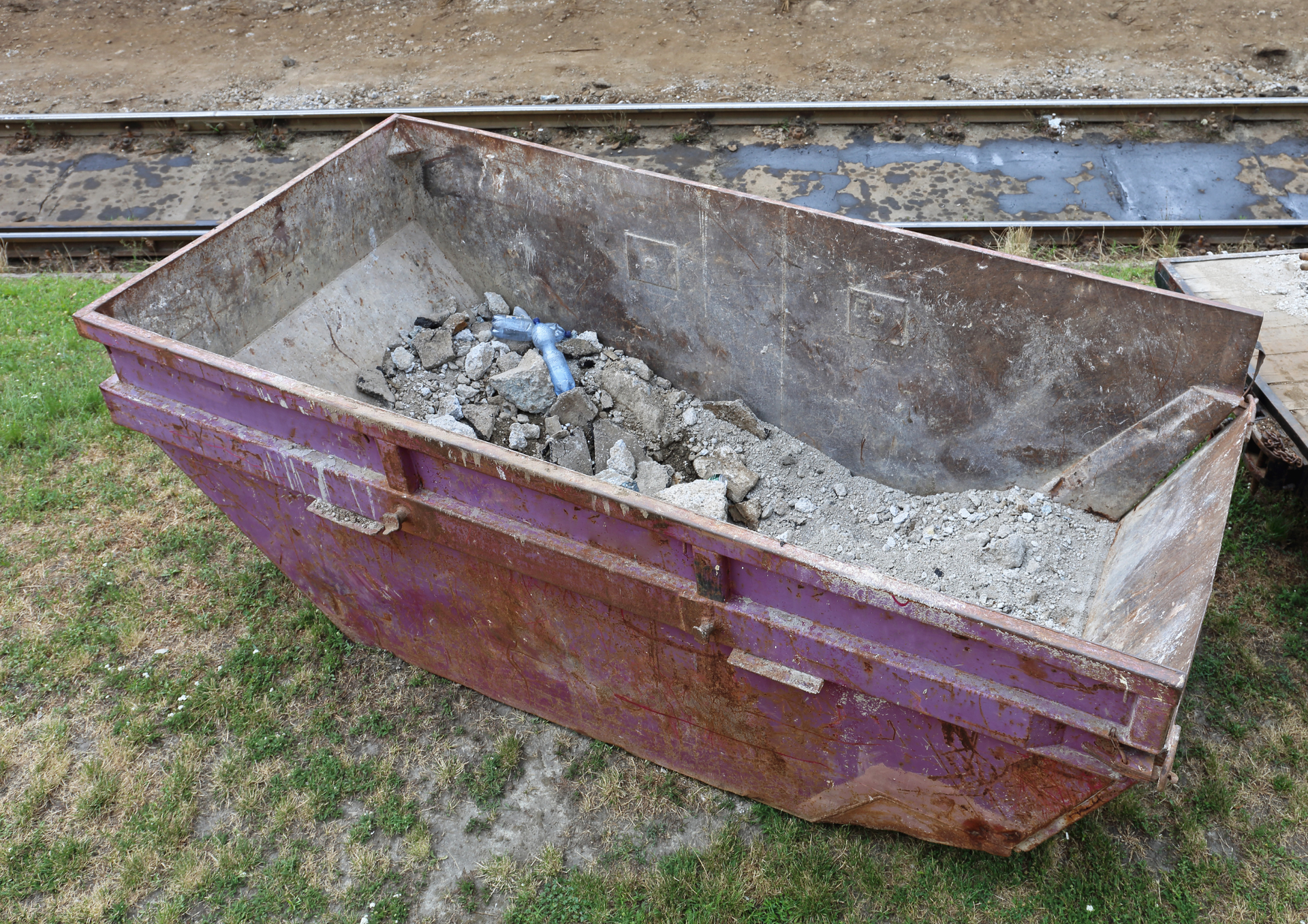
- 2 yard skip – Often suitable for smaller roofing repairs involving limited amounts of tiles, felt, guttering, or packaging waste. Compact sizes may also support properties with restricted access or limited outdoor space.
- 4 yard skip – Commonly used for medium-sized roofing work such as garage roof replacements, chimney repairs, or partial roof refurbishments where moderate amounts of debris are expected.
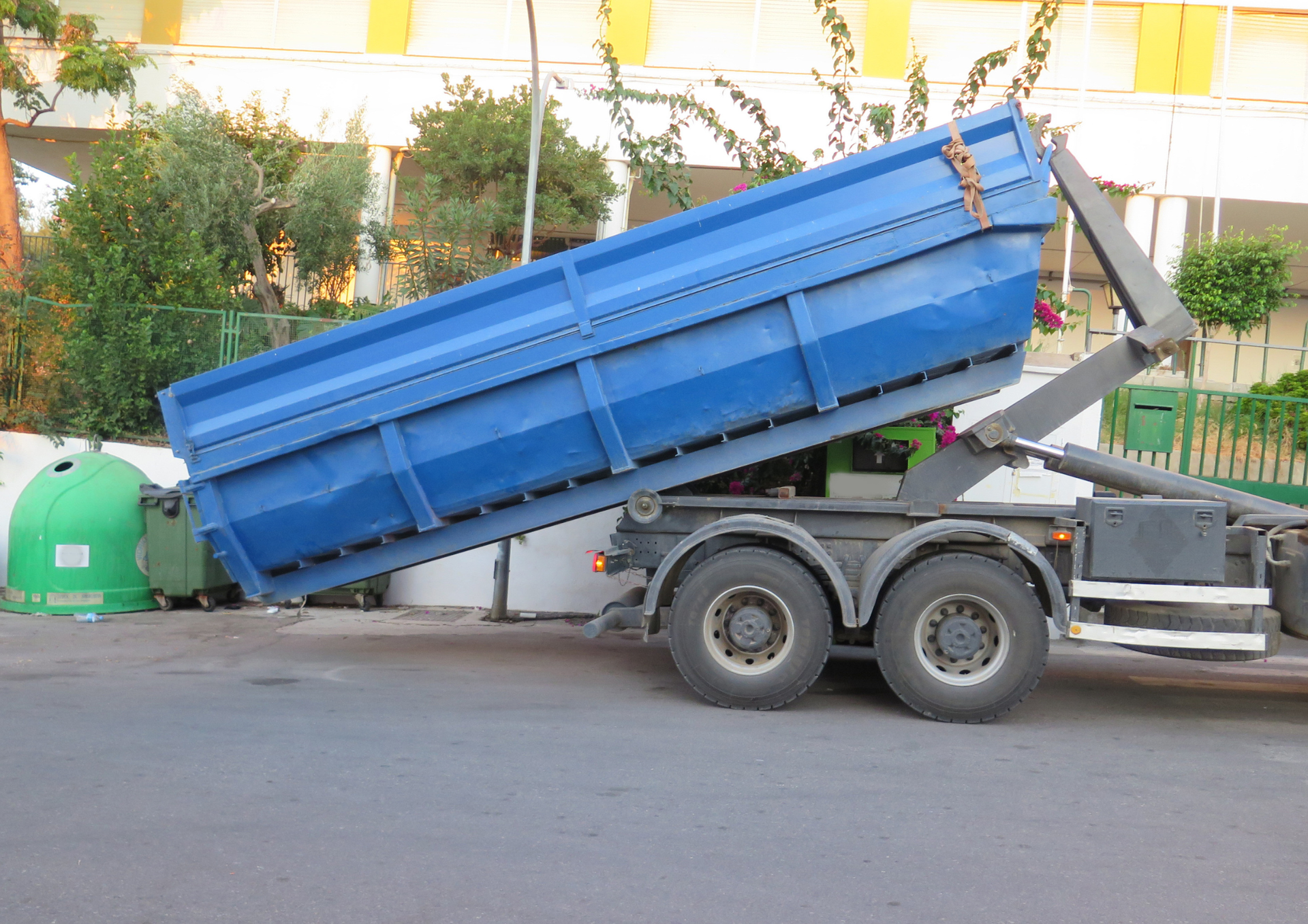
- 6 yard skip – Frequently associated with larger residential roofing projects involving timber, insulation, slates, tiles, and general construction waste requiring ongoing removal.
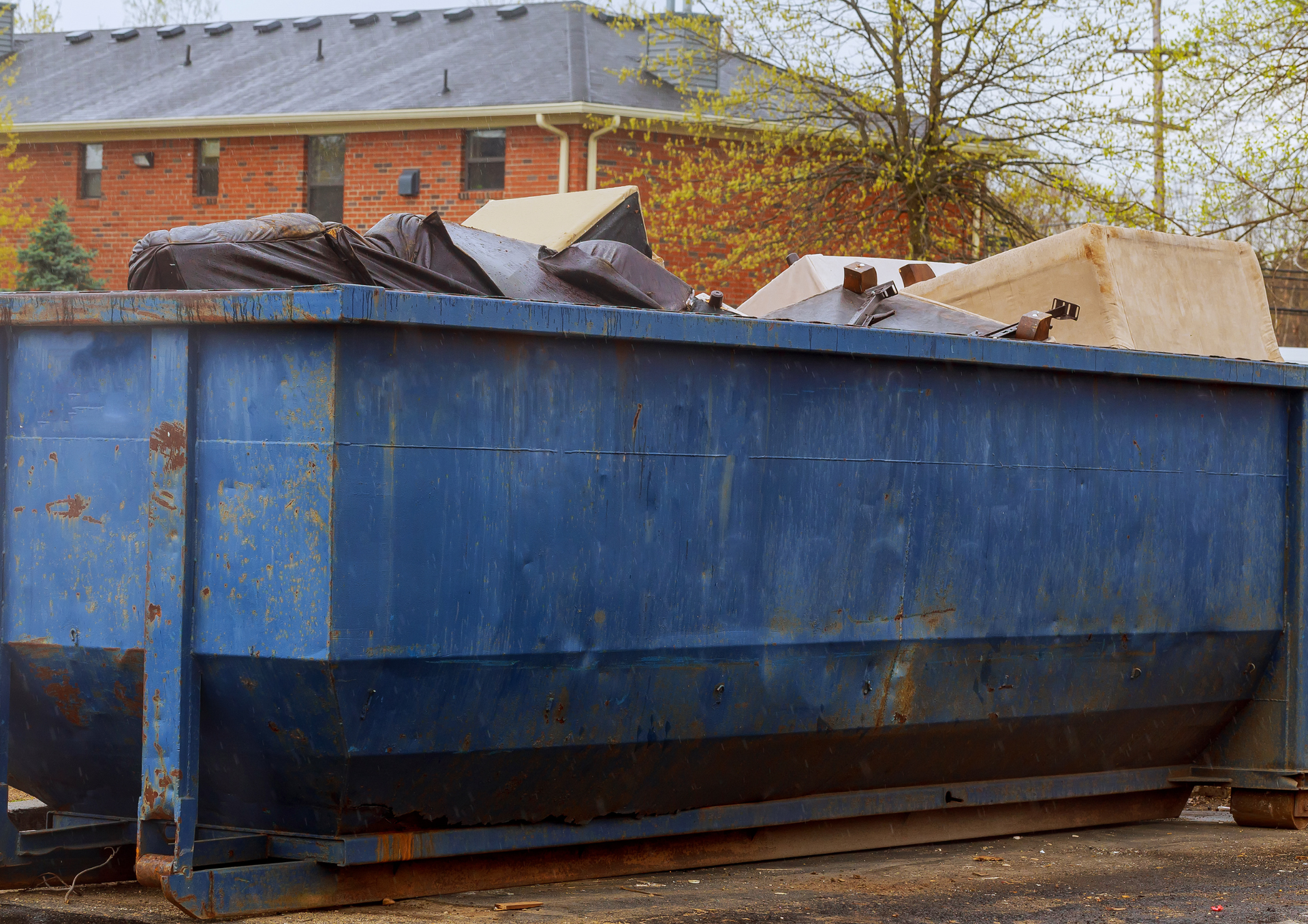
- 12 yard skip – Often considered for larger commercial refurbishments or extended building projects generating bulky roofing materials and lightweight construction debris over longer periods.
- Proper waste planning can help reduce unnecessary disruption, prevent overloaded waste areas, and support safer, more organised roofing projects.
Supporting Safer Residential and Commercial Roofing Work
Maintaining clean and organised working conditions is important during roofing projects, especially where properties remain occupied throughout the work. Roofing debris such as broken tiles, exposed nails, metal fragments, and unstable waste piles can create hazards around entrances, pathways, loading areas, and pedestrian spaces if materials are not removed regularly.
Organised waste handling helps reduce disruption while supporting safer and cleaner environments for homeowners, tenants, contractors, and visitors. Commercial roofing projects may involve additional challenges where staff access, customer movement, and daily operations continue throughout the work.
Reliable skip hire solutions help keep waste levels under control, improving access to scaffolding, equipment, and storage areas while reducing delays caused by cluttered working conditions. Seasonal weather across the UK can also increase the importance of controlled waste containment, as wind and rain may cause loose materials to shift unexpectedly during ongoing roofing work.
Maintaining Long-Term Property Cleanliness During Building Projects
Roofing projects are often carried out alongside wider property renovations such as loft conversions, structural repairs, insulation upgrades, and external refurbishments. As multiple trades work across the site, construction debris can build up quickly throughout the project.
Organised waste management helps maintain cleaner working environments while supporting smoother coordination between contractors, deliveries, and ongoing building work. Many properties remain partially occupied during refurbishment projects, including homes, offices, schools, retail premises, and commercial buildings.
Regular waste removal helps reduce disruption, maintain clearer access routes, and improve overall site organisation throughout the work. Proper disposal arrangements may also support responsible handling of materials such as timber, metal, plastics, and roofing debris while preventing unnecessary clutter and restricted access around the property.
Skip Hire Bridgend
provides professional and dependable waste management support tailored to a wide range of residential and commercial projects. Our website offers clear information, practical guidance, and reliable support for property owners, contractors, landlords, surveyors, and local authorities seeking organised waste solutions for roofing materials and construction debris.
We focus on straightforward service, helpful communication, and practical skip hire support suitable for projects of varying sizes. Whether managing roofing repairs, building refurbishments, property maintenance, or larger commercial works, our approach prioritises efficiency, cleanliness, and dependable waste management throughout the project.
Latest Post on X:
Roofing Material Waste Solutions for Cleaner and Safer Worksites.
Skip Hire Bridgend
01656 335 569
3 Queen Street
Bridgend, CF31 1HU
United Kingdom
You might also like