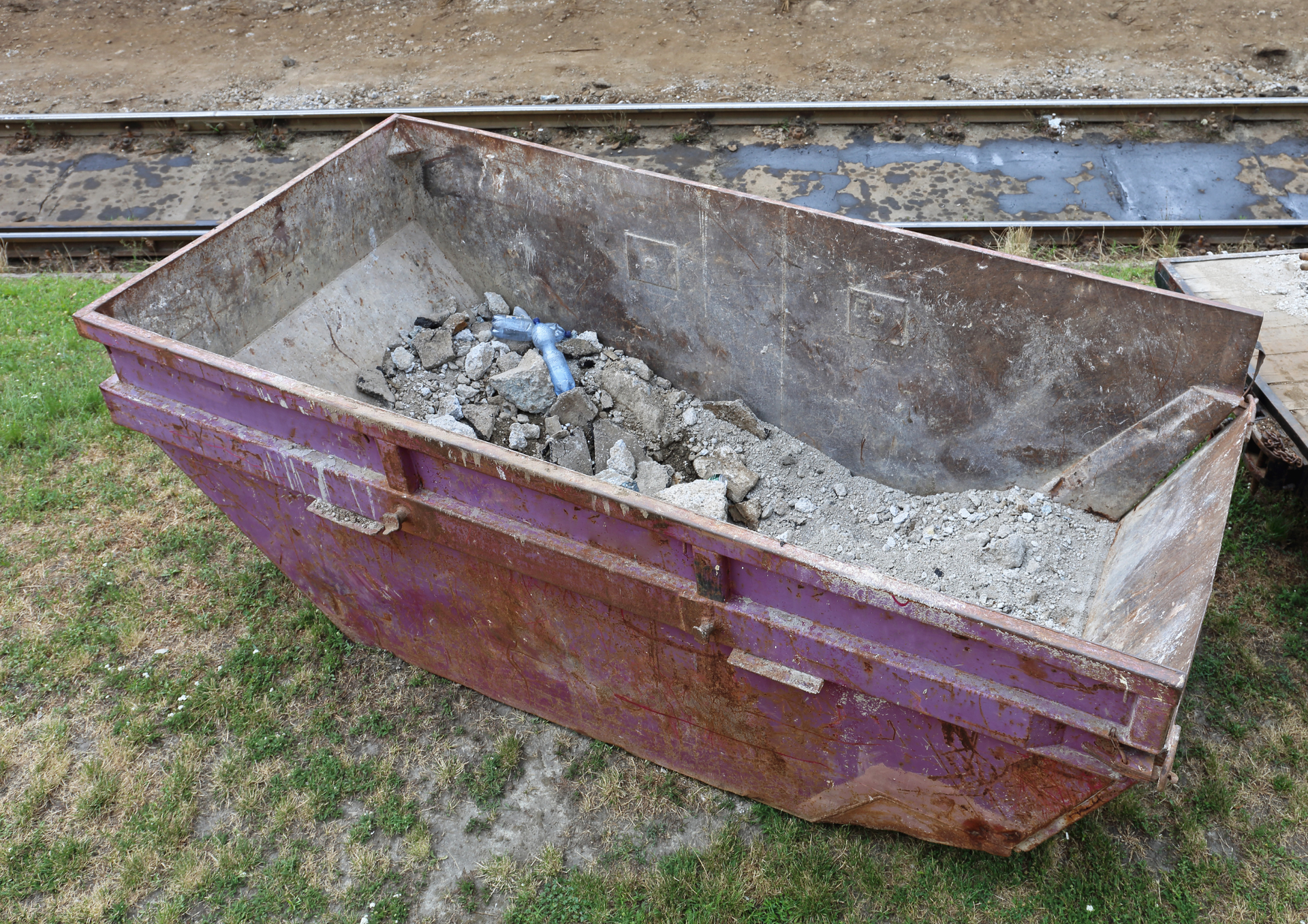

Skip Hire for End of Tenancy Property Clearance Made Simple Today
Moving out of a property often involves much more than packing belongings into boxes. Furniture that is no longer wanted, worn flooring, damaged fittings, broken appliances, and years of accumulated household items can quickly turn a straightforward move into a time-consuming task. Whether preparing a home for new occupants or clearing a commercial premises after a tenancy ends, careful planning helps keep the process organised from start to finish.
For homeowners, landlords, surveyors, and local authorities, ensuring a property is left in a tidy condition is an important part of preparing it for its next use. Residential and commercial properties can both generate significant amounts of waste during clearance work, particularly where repairs, decorating, or refurbishment are required before the property is marketed or reoccupied.
Choosing skip hire at the beginning of a clearance project allows unwanted materials to be managed in one central location instead of creating multiple piles around the property. Having a dedicated container available helps maintain a safer working environment while reducing disruption throughout the clearance process.
Planning an Efficient End of Tenancy Clearance
Every property presents different challenges when a tenancy comes to an end. Some homes require only a general declutter, while others may need damaged fixtures removed, old carpets lifted, kitchens stripped out, or gardens cleared before new tenants or owners move in. Creating a simple plan before work begins allows each stage to be completed more efficiently.
Walking through the property room by room provides a clear understanding of the amount of waste likely to be produced. Bedrooms may contain unwanted furniture, wardrobes, mattresses, curtains, and personal belongings that have been left behind. Living rooms often include damaged shelving, broken cabinets, flooring materials, and decorative items that are no longer suitable for future occupants.
Bathrooms may require old sanitary fittings, tiles, shower screens, and cabinets to be removed if refurbishment is planned. Kitchens frequently generate some of the largest volumes of waste, including cupboards, worktops, sinks, splashbacks, appliances, and general household rubbish collected over many years.
Outside areas should not be overlooked. Gardens, sheds, garages, and driveways commonly contain timber, broken fencing, plant waste, old paving materials, unused tools, and miscellaneous items that need clearing before the property is handed over.
Sorting materials into categories before disposal often makes the entire process easier to manage. Furniture, timber, plastics, metals, bricks, packaging, and general household waste can be gathered systematically, allowing clearance work to continue without constant interruptions.
Many landlords schedule decorating immediately after a tenant leaves. Completing waste removal before painters, flooring contractors, electricians, or plumbers arrive allows each trade to work more efficiently without unnecessary obstacles slowing progress.
Commercial premises benefit from exactly the same approach. Offices, retail units, warehouses, workshops, and industrial buildings frequently require furniture removal, shelving dismantling, partition clearance, packaging disposal, and general waste removal before new occupants arrive.
Good organisation also helps reduce unnecessary lifting and repeated handling of heavy materials. Placing waste directly into the container as work progresses keeps access routes clear while helping everyone involved work more efficiently.
Selecting the Right Skip Size for the Project
Choosing the right container size is an important part of planning an end of tenancy property clearance. Selecting a suitable option helps keep waste organised, reduces unnecessary delays, and ensures the project runs more efficiently from start to finish. The following guide explains which container sizes are commonly suited to different types of clearance work and highlights other important factors to consider.
Choosing the Right Container Size
- 2 Yard Skip
- Suitable for smaller clearances involving a single room.
- Ideal for minor decorating projects and limited household waste.
- Works well where access is restricted and waste volumes are relatively low.
- 4 Yard Skip
- A practical choice for larger household clearances.
- Provides extra capacity for furniture, timber, plasterboard, fixtures, and general household waste.
- Suitable for moderate property clearance projects.
- 6 Yard Skip
- Well suited to medium-sized house clearances.
- Ideal for mixed renovation and general clearance waste.
- Offers a balance between capacity and practicality for many residential projects.
- 8 Yard Skip
- Recommended for larger end of tenancy clearances.
- Suitable for multiple-room clearances, bulky furniture, kitchens, bathrooms, flooring, and refurbishment materials.
- Helps accommodate higher volumes of waste more efficiently.
Consider the Type of Waste
- Heavy materials such as bricks, concrete, paving slabs, tiles, and soil require careful planning due to their weight.
- Lighter materials including timber, cardboard, plastics, furniture, and general household waste occupy space differently.
- Estimating both the volume and weight of waste before booking helps avoid unnecessary interruptions.
Assess Property Access
- Consider driveway size and available parking.
- Check for narrow access roads or shared entrances.
- Ensure there is sufficient space for safe placement and collection.
Plan Collection Around Your Project
- Arrange collection dates to match your project schedule.
- Prompt waste removal helps maintain an organised working environment.
- Preventing waste from accumulating allows clearance work to continue smoothly.
Suitable for a Wide Range of Projects
Whether preparing a rental property for new tenants, clearing a recently purchased home before renovation, or emptying commercial premises after a lease ends, choosing the right waste solution helps keep every stage of the project organised and efficient.
Organising the Clearance Process from Start to Finish
Organising an end of tenancy property clearance in a structured way helps keep the project running efficiently while reducing unnecessary delays. Working through the property in a logical order makes waste easier to manage, allows different tasks to be completed more effectively, and prepares the building for its next occupants with minimal disruption.
Start with a Clear Plan
- Assess the entire property before beginning the clearance.
- Identify unwanted items and estimate the amount of waste.
- Create a room-by-room plan to keep the project organised.
- Following a structured order reduces repeated handling of waste.
Clear Rooms Systematically
- Remove personal belongings before larger furniture and fittings.
- Work through one room at a time to monitor progress.
- Prevent different waste materials from becoming mixed together.
- Keep storage areas, cupboards, and access routes organised throughout the project.
Remove Large Items First
- Clear bulky furniture before smaller household materials.
- Gain easier access to walls, flooring, cupboards, and storage spaces.
- Remove shelving, curtain rails, skirting boards, doors, and floor coverings once larger items have been taken away.
- This approach helps speed up the overall clearance process.
Focus on Kitchens and Bathrooms
- Allow extra time for rooms containing fixed installations.
- Carefully remove cupboards, worktops, sinks, toilets, baths, shower screens, tiles, and splashbacks.
- Work methodically to minimise disruption while protecting areas that will remain in place.
Don't Forget External Areas
- Clear gardens, garages, sheds, and driveways alongside internal rooms.
- Remove garden waste, damaged fencing, unwanted timber, paving materials, broken planters, and miscellaneous items.
- Completing external clearance improves the overall presentation of the property before inspections or handover.
Manage Refurbishment Waste Efficiently
- Decorating and refurbishment work often creates additional waste.
- Replacing flooring, installing kitchens, repairing walls, or updating bathrooms generates a variety of materials for disposal.
- Having skip hire available throughout the project helps keep the working area organised and allows contractors to complete their work more efficiently.
Keep Everyone Working Together
- Maintain clear communication between homeowners, landlords, surveyors, contractors, cleaners, and maintenance teams.
- Agree the order of work before the project begins.
- Coordinated planning reduces downtime and helps each stage progress smoothly.
Maintain a Safe and Organised Working Area
- Keep walkways clear as work progresses.
- Remove waste regularly instead of allowing it to accumulate inside the property.
- A tidy working environment improves productivity and makes final cleaning much easier before the property is handed over.
Preparing the Property for Its Next Occupants
Preparing a property after an end of tenancy clearance is just as important as removing unwanted items. Once waste has been cleared through professional skip hire, attention can shift towards cleaning, inspections, maintenance, and presenting the property in its best possible condition for its next occupants.
Improve the Property's Presentation
- Remove unwanted materials before beginning cleaning or maintenance.
- Create a clean and organised environment for new tenants, prospective buyers, commercial occupiers, or refurbishment projects.
- A tidy property creates a more positive first impression.
Make Cleaning and Repairs Easier
- Empty rooms allow cleaners to reach every surface more effectively.
- Decorators and maintenance teams can work without unnecessary obstacles.
- Completing clearance first helps refurbishment work progress more efficiently.
Support Property Inspections
- Clear access allows surveyors to inspect every part of the building thoroughly.
- Structural features, walls, ceilings, flooring, windows, services, and external areas can be examined without obstruction.
- Removing clutter helps provide a clearer assessment of the property's condition.
Create a Better Viewing Experience
- Well-presented residential and commercial properties are easier to view.
- Tidy surroundings allow prospective occupants to focus on the property's features rather than leftover materials or clutter.
- A clean appearance helps prepare the building for handover or marketing.
Plan Waste Management Early
- Arrange waste removal before the project begins.
- Avoid making multiple journeys to dispose of smaller loads.
- A planned approach helps maintain steady progress from the start of the clearance through to the final inspection.
Follow a Structured Approach
- Every property clearance is different, but good organisation remains essential.
- Careful planning, suitable equipment, and an organised workflow help keep projects running smoothly.
- A structured process supports efficient end of tenancy clearances regardless of the property's size or location.
At
Skip Hire Bridgend, we aim to make waste management straightforward for projects of every size. Our website provides practical information that helps customers understand their options before arranging a suitable service, making it easier to plan property clearances with confidence.
We focus on providing clear guidance, helpful advice, and straightforward information that supports homeowners, landlords, surveyors, local authorities, and businesses throughout every stage of their project. Whether you're managing a residential property, preparing commercial premises for new occupants, or organising refurbishment work, our website offers useful resources designed to simplify the planning process.
Our commitment is to provide reliable information, helpful support, and practical guidance that allows customers to make informed decisions when arranging waste removal. Whatever the size of your property clearance project, we are here to help you keep everything organised from beginning to end.
Update on X: Better property clearance with reliable
skip hire.
Skip Hire Bridgend
01656 335 569
3 Queen Street
Bridgend, CF31 1HU
United Kingdom
You might also like